Blog· September 4, 2026
Step-by-Step Guide to Finding Reliable Bathroom Remodeling Contractors in Lehigh Valley
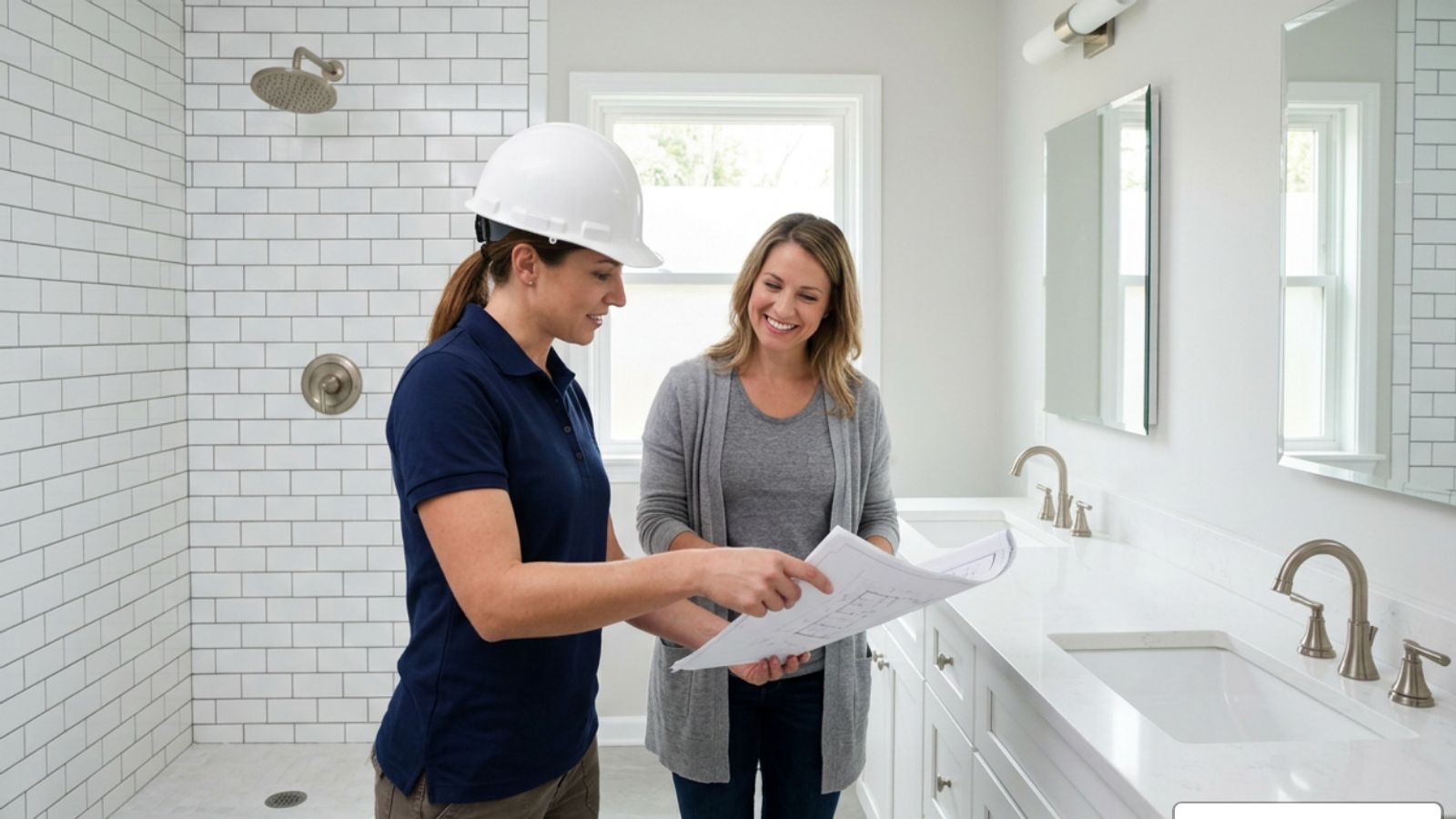
Find a Reliable Lehigh Valley Bathroom Remodeling Contractor
To find reliable bathroom remodeling contractors Lehigh Valley homeowners can trust, start by narrowing your list to contractors who can show all four essentials:
A current Pennsylvania Home Improvement Contractor registration
General liability insurance and workers' compensation coverage
Recent local bathroom projects that match your goals
A detailed written scope covering permits, waterproofing, schedule, cleanup, and warranty
For homeowners planning to age in place, the right contractor should also understand walk-in showers, wider access, slip-resistant surfaces, comfort-height fixtures, and blocking behind walls for future grab bars. In older Allentown, Bethlehem, and Easton homes, ask how they inspect for subfloor rot, aging plumbing, ventilation problems, and moisture damage before new finishes cover the walls.
I am Henry Rouhana, founder of Sure-Fix Remodeling in Easton, Pennsylvania, with more than two decades of hands-on experience guiding homeowners through high-end renovations and complex bathroom projects. This guide explains how to compare bathroom remodeling contractors Lehigh Valley homeowners can hire with greater confidence.
1. Understand Typical Bathroom Remodel Costs and Timelines in the Lehigh Valley
Embarking on a bathroom renovation can feel exciting, but budget ambiguity and scheduling delays quickly drain the fun out of picking tiles and fixtures. Knowing what goes into regional budgets and build schedules helps you plan with confidence.
Renovation Tier
Typical Project Scope
Estimated Build Timeline
Regional Resale ROI
Wet-Area Refresh
Tub-to-shower conversion, new surround, upgraded valve and fixtures
3 – 5 Days
High Return
Mid-Range Full Bath
Complete tear-out, new vanity, tile flooring, updated lighting, acrylic/tile shower
1 – 3 Weeks
60% – 67%
Primary Suite Retreat
Footprint expansion, custom tile shower, double vanity, heated floors, freestanding tub
3 – 6 Weeks
Solid Long-Term Value
Structural / Historic Gut
Full subfloor rebuild, plumbing stack relocation, electrical rewire, custom build
6 – 12+ Weeks
High Lifestyle & Safety ROI
Estimating Renovation Budgets and Local Resale ROI
A practical rule of thumb is setting your bathroom budget baseline between 5% and 10% of your home's total market value. A secondary powder room naturally sits on the lower end of that spectrum, while a sprawling primary ensuite with custom finishes represents a larger investment.
Across our region, mid-range bathroom remodels recover roughly 60% to 67% of their cost at resale. That makes modernizing your space a great balance of everyday comfort and long-term equity. If you want a deeper look at project preparation, our Bathroom Remodeling Complete Guide 2026 breaks down finish selections and spatial planning. When mapping out financial logistics, exploring Bathroom Remodel Financing Options can help you tackle essential safety and luxury upgrades without straining your monthly budget.
Project Timelines from Initial Consultation to Final Walkthrough
Every great remodel follows a proven timeline. Straightforward cosmetic updates or wet-area conversions can wrap up quickly, while full-scale renovations with custom tile, plumbing relocations, and structural repairs take several weeks.
Design & In-Home Assessment: Measuring the space, inspecting plumbing rough-ins, and choosing materials.
Procurement & Permitting: Securing municipal approvals and receiving all fixtures, vanities, and tile before demolition.
Demolition & Structural Prep: Tearing down to the studs, checking subfloors, and testing framing.
Rough-Ins: Completing licensed plumbing and electrical runs, followed by municipal inspections.
Waterproofing & Uncoupling: Installing impenetrable wall membranes, custom shower pans, and floor underlayment.
Tile, Cabinetry & Finishes: Setting tile, grouting, installing vanities, and connecting high-efficiency fixtures.
Punch List & Final Delivery: Conducting a thorough walkthrough and handing over workmanship warranties.
2. Evaluate Licensing, Insurance, and Local Permit Compliance
Hiring someone to remodel your bathroom involves more than finding an eye-catching portfolio. Because wet spaces involve high-voltage wiring, pressurized water supply lines, and major drainage stacks, working with verified, fully insured professionals protects your home and family.
Vetting Licensed Bathroom Remodeling Contractors Lehigh Valley PA Requires
In Pennsylvania, consumer protection is enforced through the Home Improvement Consumer Protection Act (HICPA). Any contractor performing residential work over $500 must hold an active PA HIC registration number registered with the Pennsylvania Attorney General's office.
When screening local teams, always ask for:
- PA HIC Registration Number: Verify its status directly on the Pennsylvania Attorney General website.
- Certificate of General Liability Insurance: Ensure coverage limits adequately protect against accidental property damage or water intrusion.
- Workers' Compensation Coverage: Protects you from liability if an installer is injured on your property.
- Fixed-Price, Line-Item Contracts: Protects you from unexpected surprise change orders once demolition starts.
We proudly serve homeowners throughout our region, bringing fully licensed and insured craftsmanship to projects in Locations Allentown PA and Locations Bethlehem PA.
Navigating Municipal Permits and PA Uniform Construction Code
Navigating municipal building requirements is a vital part of any serious home renovation. Under the Pennsylvania Uniform Construction Code (PA UCC), permits are mandatory whenever you alter drain lines, run new electrical circuits, or modify load-bearing framing.
Key building and safety standards include:
- Dedicated Electrical Circuits: Bathrooms require a dedicated 20-amp GFCI-protected circuit to handle modern appliances safely.
- Anti-Scald Protection: Shower valves must feature pressure-balancing or thermostatic mechanisms capped at a maximum of 120°F.
- Clearance Requirements: The International Plumbing Code requires at least 15 inches of clearance from the toilet centerline to any sidewall or vanity, with 21 to 24 inches of clear space in front.
- Shower Dimensions: Standard shower stalls must maintain a minimum interior dimension of 30 by 30 inches with an unobstructed 22-inch entry opening.
A professional contractor should always pull municipal permits on your behalf. If a builder asks you to pull permits as an owner-builder, consider it a red flag. Our team handles the entire permit process from submittal to final inspection for clients across Locations Easton PA and nearby communities.
3. Screen Contractors for Older Home Challenges and Technical Expertise
Our regional housing stock has incredible character, but older properties come with unique hidden quirks behind the drywall. Approximately 78% to 82% of homes in Allentown and surrounding historic boroughs were constructed before 1978. A reliable remodeler knows how to spot and fix these legacy issues before installing new materials.
Navigating Structural Rot, Galvanized Plumbing, and Regional Hard Water
Demolishing an older bathroom often uncovers hidden infrastructure challenges:
- Subfloor Rot: Slow, invisible leaks around aging toilet flanges and heavy cast iron tubs frequently rot underlying plywood and joists. These structural soft spots must be rebuilt or sistered before new tile goes down.
- Corroded Galvanized Lines: Pre-1960s steel supply pipes corrode internally over time, creating pinhole leaks and cutting down water pressure. Replacing exposed sections with PEX or copper ensures clean water flow for decades.
- EPA RRP Lead and Asbestos Safety: Homes built prior to 1978 require lead-safe work practices during demolition to prevent toxic dust from spreading through your living areas.
- Hard Water Mineral Buildup: The Lehigh Valley's limestone and dolomite geology yields hard water containing 120 to 180 mg/L of dissolved calcium carbonate. We recommend non-porous glazed porcelain tiles, sealed epoxy grouts, and finishes like brushed nickel or matte black that resist mineral spotting.
- Exterior Mechanical Venting: Older bathrooms frequently vent exhaust fans directly into unconditioned attics or soffit bays, fueling hidden mold colonies and rotted roof sheathing. International Residential Code (IRC) mandates ducting bath fans straight to the home's exterior using insulated piping.
Advanced Shower Waterproofing and Uncoupling Systems
Tile and grout are beautiful, but they are not inherently waterproof. Water naturally works its way through microscopic grout pores. Without an impenetrable moisture barrier behind the tile, water will seep directly into wall studs and subflooring.
Reliable remodelers never rely on plain green board drywall or simple liquid paint-on sealers in high-moisture shower enclosures. We utilize complete, continuous vapor-retardant membrane systems like Schluter-KERDI combined with Ditra uncoupling underlayment across bathroom floors. This uncoupling layer neutralizes independent subfloor movement, preventing floor tiles and grout lines from cracking over time and giving your wet zones a dependable 25-year service life.
4. Prioritize Design Capabilities, Accessibility, and Shower Conversions
A great bathroom blends practical daily functionality with clean aesthetics. Whether you want to ditch an unused tub or design a space that supports you as you get older, choosing a team with proven design and accessibility experience makes all the difference.
Converting Traditional Tubs to Modern Walk-in Showers
Stepping over a high tub wall every morning gets old fast. Removing an outdated alcove tub and completing a seamless Bathroom Remodel Tub to Walk-in Shower is one of the most popular home upgrades in our area.
By taking advantage of a standard 60-inch tub alcove, you can install an expansive 60 x 36 Walk-in Shower that opens up the entire footprint of the room. Pairing low-profile shower pans with slip-resistant textured porcelain floor tile and clear sliding glass doors creates an open, bright atmosphere. To complete the look, incorporating a thoughtful Bathroom Lighting Fixture Upgrade with recessed LED wet-rated ceiling lights and stylish vanity sconces brings hotel-level luxury to your daily routine.
Universal Design and Aging-in-Place Modifications
Remodeling with long-term safety in mind doesn't mean your space has to look clinical. Modern universal design combines accessibility with high-end luxury.
Key accessibility elements include:
- Zero-Threshold Entries: Installing a seamless Barrier-Free Shower eliminates tripping hazards and allows easy, curbless entry.
- Solid In-Wall Wood Blocking: Adding structural wood backing inside wall cavities during rough-in ensures that modern grab bars can support hundreds of pounds safely.
- Comfort-Height Toilets: Ergonomic seating heights reduce joint and knee strain.
- Custom Safety Features: Integrating built-in corner benches, handheld dual showerheads, and wide entryways makes personal care comfortable for everyone.
To see how modern accessible updates fit together, our guide to Bathroom Accessibility Modifications Pennsylvania showcases safe, elegant layouts tailored for regional homes.
5. Key Steps to Select Bathroom Remodeling Contractors Lehigh Valley Homeowners Depend On
Selecting the right partner comes down to finding a team with local accountability, open communication, and proven craftsmanship.
Why Hire Local Bathroom Remodeling Contractors Lehigh Valley vs. National Chains
While large corporate franchises market quick one-day cover-ups, they often install plastic shells right over old fixtures without checking for hidden subfloor decay. Choosing established local remodeling professionals provides clear advantages:
- Deep Municipal Code Familiarity: Local teams know the unique inspection protocols of your specific township or borough.
- Strong Supplier Relationships: Sourcing premium cabinetry, stone counters, and designer tile from trusted local suppliers prevents supply-chain delays.
- Dedicated Daily Project Focus: Instead of juggling dozens of disconnected jobs across multiple counties, dedicated local crews stay focused on your home from demolition to punch-out.
- Transparent Pricing Without Overhead: Local design-build specialists deliver custom results without passing along expensive national franchise fees.
When investing in remodeling Lehigh Valley homes, choosing a dedicated regional builder ensures your renovation is built to last.
Reviewing Workmanship Warranties, Dust Control, and Material Showrooms
Before signing a contract, look closely at how the team manages your home during construction and how they stand behind their work:
- Workmanship Warranties: Look for comprehensive multi-year workmanship warranties (ranging from 2 to 5 years) that cover installation quality alongside manufacturer parts guarantees.
- Active Dust Protection: Demolition produces fine concrete and drywall dust. Make sure your contractor uses rigorous Bathroom Renovation Dust Control systems, including zip-wall plastic barriers, floor runners, and HEPA-filtered air scrubbers to keep living spaces spotless.
- Interactive Design Showroom: Visiting a real design Showroom lets you see, touch, and compare tile textures, vanity hardware, quartz countertops, and fixtures in person before they are installed in your home.
Frequently Asked Questions About Lehigh Valley Bathroom Remodeling
How much does a mid-range bathroom remodel cost across Lehigh County?
Bathroom remodeling costs vary based on room size, plumbing changes, and material choices. A mid-range full bathroom remodel in our region typically ranges from modest updates up toward luxury custom retreats. Wet-area refreshes sit on the lower end of the investment scale, while expansive primary master bathrooms with radiant heated floors and custom tile work represent a larger investment. Investing between 5% and 10% of your home's market value ensures strong resale returns while giving you a beautiful space tailored to your daily life.
Do I need a municipal building permit for a bathroom remodel in Allentown or Bethlehem?
Yes. Under the Pennsylvania Uniform Construction Code, municipal building permits are required for renovations that alter water supply lines, move drain stacks, add dedicated 20-amp electrical circuits, or modify structural framing. Cosmetic replacements of matching fixtures often do not require full permits, but comprehensive gut remodels always do. Your general contractor should handle all drawings, permit applications, and on-site municipal inspections on your behalf.
How long does a standard bathroom renovation take from demolition to completion?
A standard full gut-and-rebuild bathroom remodel typically takes between 1 and 3 weeks of active construction when managed by a dedicated, on-site crew. Cosmetic updates and wet-area conversions can wrap up in just a few days. Major primary suite expansions that involve moving load-bearing walls or resolving extensive structural rot in older homes can take several weeks. Establishing a fixed schedule and having all materials delivered before demolition keeps construction running smoothly.
Conclusion
Finding the right contractor doesn't have to be overwhelming. By verifying active PA HIC licensing, confirming robust insurance, insisting on proven waterproofing systems, and checking local references, you can protect your investment and enjoy a stress-free remodel.
At Sure-Fix Remodeling, we combine the personalized attention of a dedicated local builder with our in-house design partnership and material showroom. We take pride in guiding you through every step—from initial layout ideas to flawless finish carpentry. Contact us today to schedule your in-home consultation and explore our comprehensive home remodeling services to bring your dream bathroom to life!