Blog· September 3, 2026
An Essential Guide to the Cheapest Way to Renovate a Kitchen
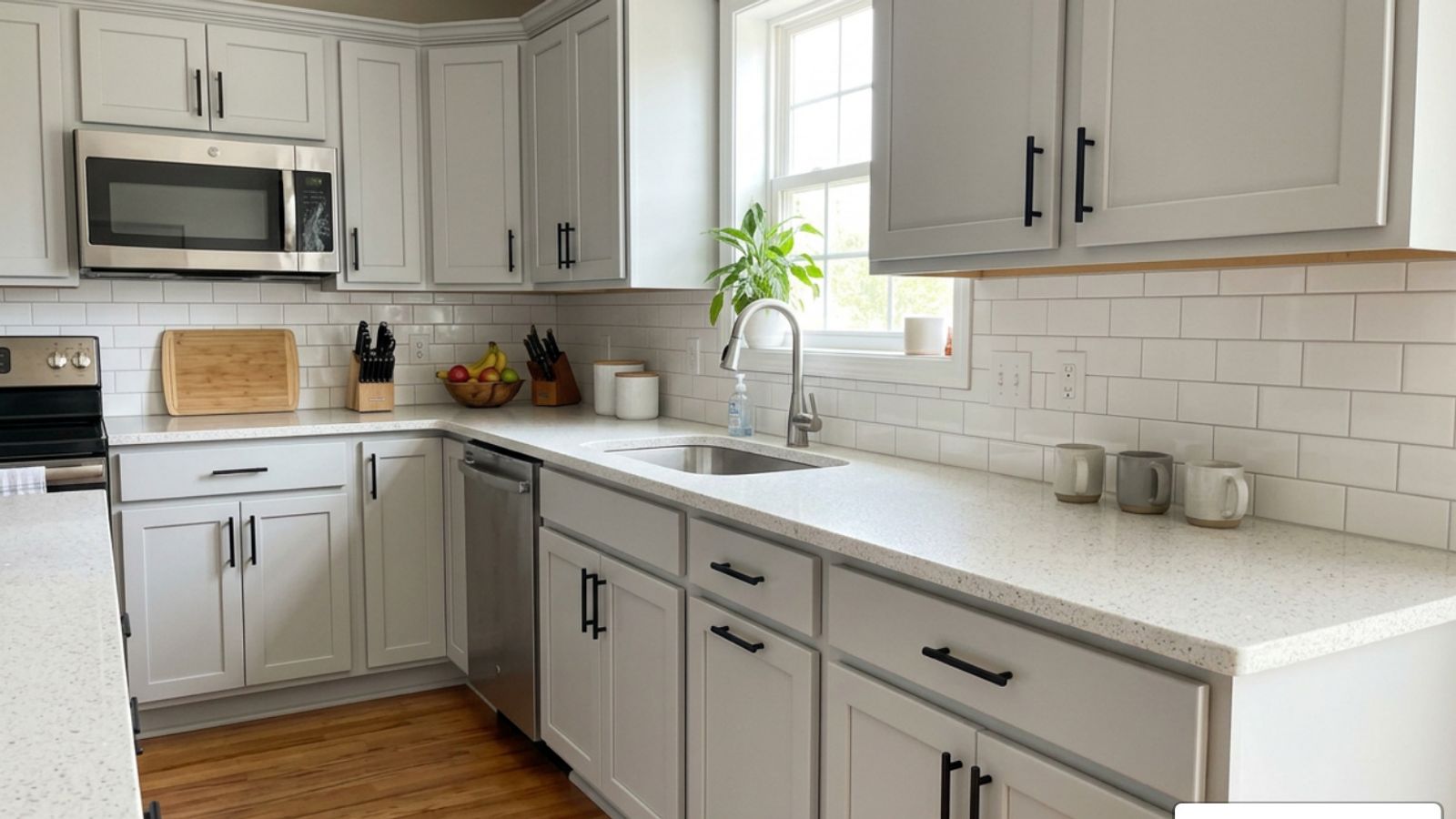
5 Core Strategies: Finding the Cheapest Way to Renovate a Kitchen
The cheapest way to renovate a kitchen is to preserve the existing layout, repaint or reface sturdy cabinet boxes instead of replacing them, install budget-friendly surfaces like laminate or butcher block, and tackle cosmetic tasks with DIY sweat equity. By avoiding structural changes and keeping utility connections in place, a cosmetic refresh delivers the visual impact of a custom remodel at a fraction of the cost.
While full-gut kitchen remodels require major structural teardowns, mechanical relocations, and expensive custom cabinetry fabrication, focusing on surface updates keeps thousands in your pocket while delivering an elevated, modern design.
Renovation Scope
Typical Focus Areas
Major Cost Drivers
Best For
Cosmetic Refresh
Cabinet refinishing, laminate/butcher block counters, peel-and-stick or ceramic backsplash, hardware swaps, new light fixtures, floating flooring
Paint, hardware, fixture purchases, consumable DIY tools
Structurally sound layouts, builder-grade cabinetry, cosmetic modernizations
Full Gut Remodel
Wall removal, plumbing and electrical line relocation, custom box cabinetry, high-end solid stone slabs, structural subfloor reconstruction
Licensed plumbing/HVAC/electrical labor, dumpster rentals, permit fees, structural framing
Broken floorplans, rotting cabinet carcasses, severe water damage, failing infrastructure
Why Layout Preservation Is the Cheapest Way to Renovate Kitchen Spaces
The single most expensive decision you can make in a kitchen remodel is moving the sink, range, or refrigerator. In classic interior design, these three elements form the kitchen work triangle. As long as that working relationship functions smoothly, moving those fixtures rarely adds enough daily value to justify the enormous cost.
When you decide to relocate a sink even three feet down a wall, you initiate an expensive chain reaction:
Demolition and drywall removal: You must cut open wall cavities to expose the existing framing.
Plumbing rough-ins: A licensed plumber must re-route supply lines and re-pitch the drain pipe through wall studs or floor joists.
Electrical adjustments: Re-running dedicated appliance circuits requires cutting through wall plates and junction boxes.
Drywall repair and refinishing: The open walls must be patched, taped, mudded, sanded, and reprimed before paint or tile can even touch the surface.
Disposal fees: Construction debris rapidly fills dumpsters, leading to escalating landfill and hauling fees.
By leaving the utility rough-ins in their original positions, you bypass the domino effect entirely. This smart preservation mindset is illustrated in a real-world budget kitchen transformation case study, where homeowners dramatically updated their space under a strict budget by focusing on finishes and vertical volume rather than moving plumbing lines.
Smart DIY vs. Contractor Division of Labor
Saving money on a remodel does not mean you have to do everything yourself. In fact, attempting complex trade work without the proper skills can lead to costly water leaks, fire hazards, and expensive repairs that completely wipe out your savings. The most cost-effective method is a hybrid approach: complete straightforward cosmetic tasks yourself and hire professionals for technical installations.
- Tasks ideal for DIY sweat equity:
- Removing and labeling cabinet doors, drawers, and hinges.
- Degreasing, sanding, priming, and painting cabinet faces.
- Installing peel-and-stick or standard ceramic subway backsplash tiles.
- Laying floating vinyl plank or laminate flooring.
- Painting walls, ceilings, trim, and baseboards.
- Replacing standard cabinet pulls and knobs.
- Tasks to reserve for licensed professionals:
- Modifying or running new gas supply lines for ranges.
- Installing dedicated 20-amp appliance circuits or altering main service panels.
- Relocating main drain-waste-vent (DWV) stacks.
- Removing load-bearing partition walls or cutting structural headers.
When you do need professional trade work, bundle those tasks into a single visit. Having an electrician or plumber complete all necessary hookups on a designated day eliminates multiple trip charges. If you decide that partial or full professional guidance fits your schedule best, you can explore our comprehensive kitchen remodeling services to see how we streamline projects without bloated overhead.
Transforming Cabinetry Without Buying New Boxes
Cabinetry typically accounts for 30% to 40% of the total expense in a standard kitchen remodel. Ripping out functional cabinet boxes simply because the doors look dated or the finish has yellowed is one of the biggest budget drains in home renovation. As long as the underlying cabinet frames (the carcasses) are sturdy, plumb, and free of moisture rot, keeping them in place is the foundation of an affordable renovation.
Refurbishing Cabinets vs. Replacing: The Cheapest Way to Renovate Kitchen Storage
Before spending money on replacement cabinetry, assess what you can restore. For structurally sound solid wood or honey oak cabinets, you have two primary budget-friendly paths:
- DIY Cabinet Painting: Painting your cabinets creates an immediate visual transformation. The key to a factory-smooth, durable finish is proper surface preparation. Clean the wood thoroughly with a heavy-duty degreaser (like TSP or a dedicated substitute) to strip away years of cooking oils. Lightly scuff-sand the surfaces with 220-grit sandpaper, apply a stain-blocking bonding primer (such as Zinsser BIN shellac or Bulls Eye 1-2-3), and finish with two coats of a self-leveling urethane enamel like Benjamin Moore Advance or Sherwin-Williams Emerald Urethane. This process cures into a rock-hard, washable finish that resists chipping.
- Toning Honey Oak with Wax: If you have solid honey oak cabinets and want to preserve the wood grain while eliminating that 1990s orange tint, you can apply a dark furniture wax (like Briwax in Tudor Brown) using 0000 ultra-fine steel wool. This method deepens the wood tone into a rich, modern walnut hue without the intense labor of chemical stripping or multi-coat priming. Homeowners have successfully used this technique in a detailed budget kitchen makeover guide to revamp solid oak boxes quickly and affordably.
If your existing cabinet layout lacks functional storage, you can easily modernize the interiors. Add aftermarket slide-out wire baskets, vertical pan dividers, or soft-close drawer inserts. If you have open gaps between upper cabinets and the ceiling, install a piece of crown molding along the top edge to give standard builder-grade units a cohesive, built-in aesthetic.
Cabinet Refacing and Redooring Alternatives
If your cabinet doors are warped, water-damaged, or have outdated cathedral arch profiles that paint cannot hide, you still do not need to replace the entire box. Instead, look into targeted exterior upgrades:
- Cabinet Redooring: This process involves removing the existing doors and drawer fronts while leaving the face frames and cabinet boxes in place. You order new, modern doors—such as clean-lined Shaker or flat-slab fronts—and hang them on new concealed soft-close hinges. This approach costs substantially less than a full replacement while giving the visual impression of brand-new cabinetry. For an in-depth breakdown of this technique, read about kitchen cabinet redooring to understand measuring and door ordering steps.
- Full Cabinet Refacing: If the cabinet face frames are discolored or made from a material that does not match your new doors, kitchen cabinet refacing adds a real wood or laminate veneer over the exterior frames before installing new doors. This delivers an entirely seamless look at 30% to 50% less than the cost of ripping out and replacing the entire cabinet run.
- Ready-to-Assemble (RTA) Cabinet Units: If you need to add an extra cabinet or build a small island, flat-pack RTA cabinets offer durable plywood construction and cam-lock assembly at a fraction of pre-built custom units.
High-Impact, Low-Cost Countertop and Backsplash Solutions
Countertops and backsplashes sit right at eye level, acting as the visual centerpiece of your kitchen. Fortunately, modern budget materials now replicate the look of luxury natural stone without the heavy fabrication fees or high material costs.
Affordable Countertop Materials: Laminate to Butcher Block
You do not need high-end quartz or imported marble slabs to create an elegant cooking space. Several affordable alternatives offer fantastic durability and modern style:
- Post-Form and Flat-Edge Laminate: Modern laminate is far superior to the thin, easily scratched sheets of decades past. High-definition laminate surfaces feature realistic stone veining, slate textures, and concrete-effect matte finishes. Choosing a simple eased or straight edge profile keeps fabrication costs low while eliminating the dated rounded look of older counters. Pre-cut blank sections from home improvement centers are exceptionally DIY-friendly to install.
- Butcher Block: Solid birch, beech, or oak butcher block counters bring natural warmth and texture to the kitchen. They are easy to cut to size with a standard circular saw and can be treated with food-grade mineral oil or sealed with a durable polyurethane coat for long-term water protection around sinks.
- Countertop Remnant Slabs: If you love the feel of natural stone or quartz, visit local stone fabricators and ask to browse their remnant yard. Fabricators often sell leftover cuts from larger commercial or residential projects at steep discounts. These slabs are perfect for small galley kitchens, linear runs, or kitchen islands.
- Epoxy and Countertop Refinishing Kits: If your current counters are in good physical condition but sport an outdated color, specialized countertop refinishing kits can be rolled on over a weekend to create a clean, modern faux-stone appearance.
Budget Backsplash Options: Tile and Peel-and-Stick
A dated backsplash can drag down the look of an entire room, but replacing it is one of the easiest weekend upgrades you can tackle:
- Ceramic Subway Tile: Classic white subway tile remains one of the most affordable and timeless backsplash materials available. To give this standard tile a fresh, contemporary spin, install it in a vertical stack or vertical offset pattern rather than a traditional horizontal brick layout. The vertical lines draw the eye upward, making standard 8-foot ceilings feel significantly taller.
- Peel-and-Stick Tiles: High-quality adhesive composite tiles provide a mess-free alternative to wet saws, mortar, and messy grout floats. They can be installed directly over existing smooth drywall or clean tile surfaces using a utility knife and a straight edge.
- Textured and Colored Grout: If you are keeping existing tile that looks structurally fine, refreshing the grout lines can completely restore the surface. Use an inexpensive grout colorant and sealant kit to turn discolored grout into a crisp charcoal or warm gray.
- Under-Cabinet LED Lighting: Pair your new backsplash with peel-and-stick under-cabinet LED light strips. Illuminating your countertop surfaces eliminates dark shadows under cabinets, adds valuable task lighting for food preparation, and makes inexpensive backsplash materials pop.
Cost-Effective Flooring, Lighting, and Appliance Upgrades
Flooring, lighting, and appliances tie the cosmetic elements of your kitchen together. Upgrading these components does not require commercial-grade equipment or custom electrical rewiring; it simply requires smart product selection.
Inexpensive Kitchen Flooring Solutions
Kitchen floors endure heavy foot traffic, dropped utensils, and occasional water spills. Tearing out old ceramic tile or subflooring is labor-intensive and expensive. Instead, consider floating floor solutions that install directly over your existing flat surfaces:
- Luxury Vinyl Plank (LVP) and Luxury Vinyl Tile (LVT): Rigid core waterproof vinyl plank is one of the most practical and affordable flooring materials on the market. It clicks together without glue, provides a 100% waterproof barrier against spills, and authentically mimics wide-plank hardwood or natural slate.
- Click-Lock Laminate: High-density, water-resistant click and lock laminate flooring provides high scratch resistance against pet claws and heavy use. If you want a seamless floor transition, review the proper techniques for fitting laminate flooring without removing skirting to save time on trim carpentry.
- Tile Grout Restoration: If you have solid ceramic or porcelain tile that is simply surrounded by stained grout, do not tear it out. Deep-cleaning the tile surface and applying an epoxy-based grout stain restores the floor to like-new condition in just a few hours.
If your subfloor requires leveling or you want professional alignment across complex doorway transitions, you can rely on our skilled team for precision flooring installation.
Strategic Lighting, Hardware, and Appliance Hacks
Small finishing details often make the largest visual impact in a kitchen refresh:
- Eye-Level Hardware Swaps: Cabinet handles and knobs sit right at eye level and are touched dozens of times a day. Replacing flimsy, outdated hardware with substantial matte black, brushed nickel, or aged brass pulls instantly elevates painted builder-grade cabinets. Stick with standard hole-spacing measurements (such as 3-inch or 3-3/4-inch center-to-center) to avoid drilling new holes and patching old ones.
- Upgraded Light Fixtures: Outdated fluorescent box lights or track fixtures make a kitchen feel dim and dated. Replace central ceiling fixtures with semi-flush mount drum lights or modern pendant fixtures over your sink and island. When shopping for electrical fixtures, pick designs that work with your existing junction box locations to avoid hiring an electrician to run new conduit.
- Fresh Switch Plates and Outlet Covers: Yellowed, paint-spattered switch plates and outlet covers look messy against freshly painted walls. Swapping all your receptacles and wall plates for clean, screwless white covers takes under an hour and delivers a clean, modern finish.
- Appliance Rescaling and Secondhand Sourcing: Brand-new stainless steel appliance suites can quickly blow a budget. If your current appliances are working well, keep them! If you need replacements, look for scratch-and-dent retail outlets, certified refurbished units, or lightly used secondhand appliances online. In smaller kitchens, selling an oversized freestanding refrigerator and replacing it with a sleeker, counter-depth model can instantly make the entire room feel more spacious. Check with local electric and gas utilities, as many providers offer cash rebates when you install qualifying energy-efficient appliances.
Hidden Renovation Costs and Contingency Planning
Even the most carefully planned budget renovation can run into surprises once you begin taking things apart. Establishing a clear 15% to 20% contingency fund in your budget ensures that unexpected discoveries do not stall your project halfway through.
Common hidden costs that homeowners overlook include:
- Drywall Repairs Behind Old Backsplashes: Removing stubborn glued tile often tears the drywall paper down to the gypsum core, requiring patching compound, skim coating, or replacement drywall sections.
- Subfloor Leveling Compounds: Floating floors require a flat subfloor. If you discover dips or uneven seams after pulling up old carpet or vinyl, you will need self-leveling underlayment compound before laying new planks.
- Specialty Bonding Primers and Sundries: Cutting corners on painters tape, drop cloths, high-density foam rollers, and bonding primers results in poor paint adhesion. Budget for quality application tools from day one.
- Debris Hauling and Disposal Fees: Local waste management facilities charge minimum weight fees for dumping old countertops, damaged drywall, or scrap flooring.
- Plumbing Adapters and Shutoff Valves: When replacing a sink or faucet, older multi-turn shutoff valves under the sink often leak when turned for the first time in years. Upgrading to modern quarter-turn ball valves ensures leak-free plumbing connections.
If you are updating an older property with unique mid-century quirks, explore our guide on tackling a 1960s kitchen remodel for practical insights on dealing with vintage plumbing, original framing, and period casework.
Frequently Asked Questions About Budget Kitchen Remodeling
What is the cheapest way to renovate a kitchen without replacing cabinets?
The cheapest way to refresh existing cabinetry is to keep the structural boxes in place, thoroughly clean them with a heavy-duty degreaser, apply a stain-blocking bonding primer, and paint them with two coats of self-leveling urethane trim enamel. To complete the transformation, replace old cabinet knobs and pulls with modern matte black or warm brass hardware, and install aftermarket pull-out wire organizers inside base cabinets to optimize functional storage.
How much does a budget kitchen remodel typically cost?
A focused cosmetic kitchen refresh typically costs between $500 and $5,000, depending on the square footage and whether you perform the labor yourself. This budget range covers cabinet painting, laminate or butcher block countertops, peel-and-stick or ceramic tile backsplashes, new lighting fixtures, updated hardware, and floating luxury vinyl plank flooring. Full-gut remodels that involve wall demolition, new custom cabinets, and structural plumbing changes generally cost $14,000 to $42,000 or more.
Can you paint kitchen cabinets instead of replacing them and how much does it save?
Yes, painting structurally sound cabinets is one of the most effective ways to save money during a renovation. DIY cabinet painting supplies (cleaner, sandpaper, primer, premium paint, rollers, and brushes) generally cost between $300 and $800, compared to $3,500 for professional cabinet spray painting or $8,000 to $20,000+ for purchasing and installing new custom cabinetry. This represents an immediate savings of 70% to 90% on your cabinetry budget.
Conclusion
Renovating your kitchen does not require taking out a second mortgage or enduring months of invasive construction. By keeping your original layout intact, refinishing your existing cabinet boxes, choosing durable modern surfaces like laminate and butcher block, and investing in eye-level hardware and lighting updates, you can achieve a magazine-worthy transformation on a realistic budget.
At Sure-Fix Remodeling, we believe that exceptional design comes from smart planning, quality craftsmanship, and value-driven material choices. Whether you are planning a simple weekend DIY refresh or looking for a trusted partner to handle skilled carpentry, electrical upgrades, and surface installations, we are here to help bring your vision to life. If you want to explore more budget-friendly project ideas, check out our comprehensive guide on planning a kitchen redo on a budget, or contact our team today to discuss your next home improvement project.