Blog· August 20, 2026
Everything You Need to Know About Bathroom Remodeling Costs & Options
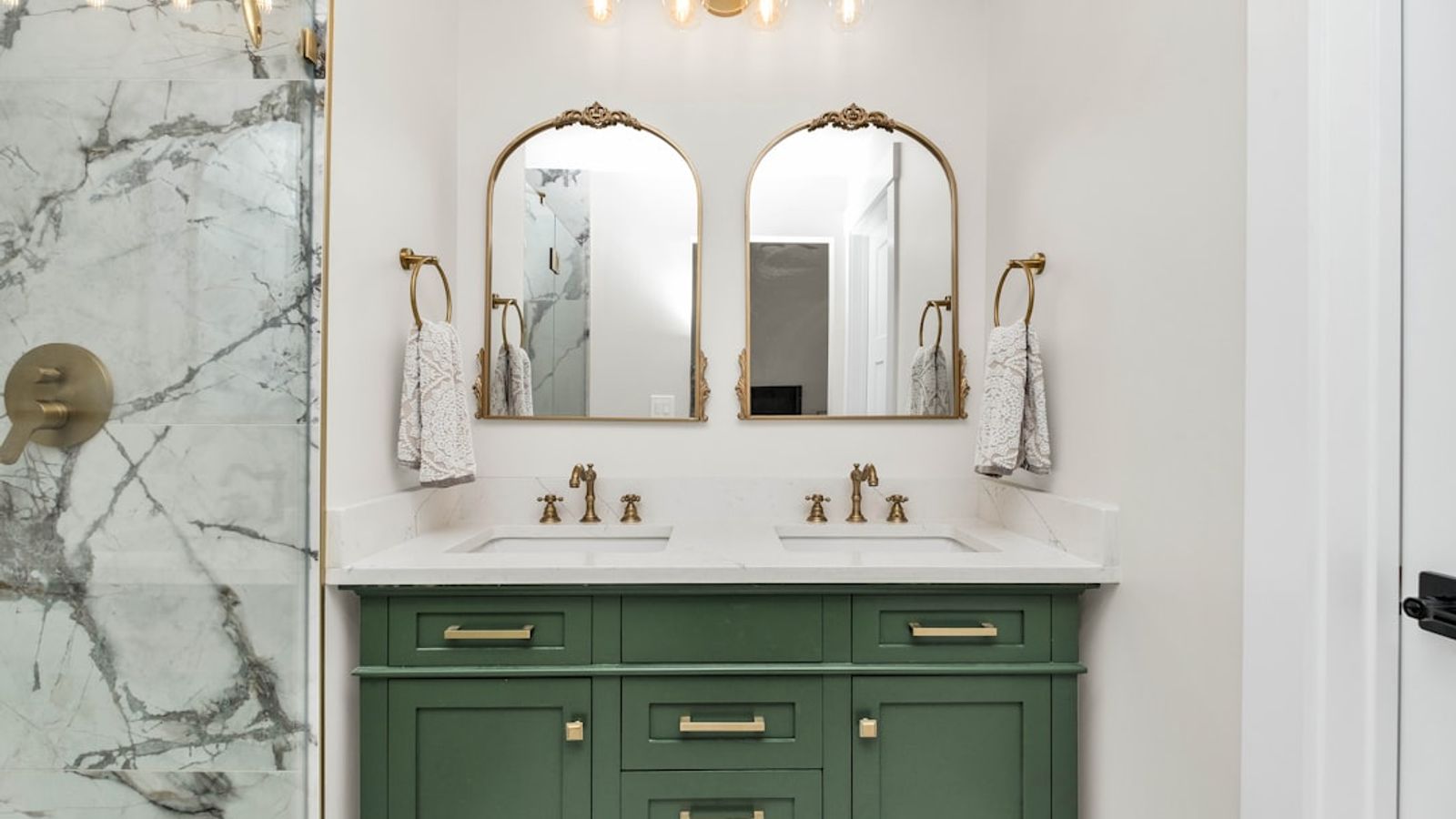
Your Complete Guide to Bathroom Remodeling: Costs, Options, and What to Expect
Bathroom remodeling is one of the most impactful home improvements you can make — and one of the most misunderstood when it comes to cost and planning. Here is a quick look at what most homeowners need to know:
Remodel Type
Typical Scope
ROI at Resale
Cosmetic Refresh
New vanity, mirror, paint, hardware
High
Standard Remodel
New fixtures, flooring, tub/shower update
~60-65%
Full Gut Remodel
Complete teardown and rebuild
~60-65%
Luxury Primary Suite
Custom tile, double vanity, freestanding tub
Lower % but high livability
Think about this: the average person spends nearly 200 hours each year in the bathroom. That is a lot of time in a space that, for many homeowners, feels outdated, cramped, or just plain uncomfortable.
And yet, bathroom remodels are surrounded by confusing, conflicting information. One website quotes you $8,000. Another says $45,000. Both numbers can be right — it all depends on scope, materials, and whether you are moving any plumbing.
This guide cuts through the noise. Whether you are thinking about a simple cosmetic refresh or a full accessibility-focused renovation, you will find clear, honest answers here.
I'm Henry Rouhana, founder of Sure-Fix Remodeling and a licensed general contractor with over two decades of hands-on experience in bathroom remodeling across the Lehigh Valley and greater Pennsylvania area. I have guided hundreds of homeowners through every phase of the process — from the first design conversation to the final walkthrough — and I am sharing everything I have learned in this guide.
How Much Does a Bathroom Remodeling Project Cost in 2026?
When planning a bathroom remodeling project, the very first question on every homeowner's mind is: What is this going to cost me?
Because we serve local communities throughout Eastern Pennsylvania and Western New Jersey—including Allentown PA, Bethlehem PA, Easton PA, and Phillipsburg NJ—we have to look at costs through a regional lens. The Northeast corridor carries a regional premium. Higher labor rates, strict local building codes, and older historic home structures mean that projects in our area typically carry a cost adjustment that is about 15% to 25% higher than the national baseline.
Rather than looking at a single confusing number, it is much more helpful to break down costs by project tiers and scope. To explore how these tiers compare on a broader scale, you can read this comprehensive 2026 Bathroom Remodel Cost Guide.
Below is a breakdown of how these tiers translate to real-world projects in our regional market:
Remodel Tier
Typical Scope & Inclusions
Relative Investment Level
Cosmetic Refresh
Painting, readymade vanity swap, new plumbing trim, updated light fixtures, and hardware.
Budget-Friendly / Entry Level
Standard Remodel
New flooring, mid-range tub or shower update, replacement toilet, standard vanity, and updated lighting.
Moderate / Mid-Range
Full Gut Remodel
Stripping the room to the wall studs, replacing subfloors, updating rough-in plumbing/electrical, and installing premium tile and fixtures.
Major Investment
Luxury Primary Suite
Custom tile work, curbless walk-in shower, freestanding soaking tub, custom double vanity, heated floors, and high-end smart fixtures.
Premium / High-End
Half Bath or Powder Room
The half bath or powder room is typically the smallest bathroom in the house, containing just a toilet and a sink. Because of its small footprint, it is a highly budget-friendly space to renovate.
A standard powder room remodel usually involves replacing the vanity with a stylish readymade option, upgrading the toilet to a modern, water-efficient model, installing fresh flooring, and applying a bold coat of paint. Because you do not have to worry about waterproofing a shower or bathtub, a powder room remodel can be completed quickly and offers a fantastic opportunity to use high-impact design elements—like dramatic wallpaper or unique lighting—without breaking the bank.
Full Hall Bathroom
The full hall bathroom is the workhorse of the home. This is the family bathroom that gets daily use from children, guests, and overnight visitors.
A standard remodel for a full hall bath focuses heavily on durability and maximizing space. Common upgrades include a tub-to-shower conversion to make daily routines faster, installing low-maintenance porcelain tile, and replacing old fixtures with durable, mid-range materials that can withstand heavy daily wear. Because these spaces are highly valued by future home buyers, keeping the design clean, classic, and highly functional ensures a strong return on your investment.
Primary or Master Suite
The primary bathroom is your personal retreat. This is where homeowners look to transition a standard, builder-grade space into a true luxury master bath.
A primary suite remodel typically involves a complete layout optimization. We often install large double vanities to give partners their own dedicated prep areas, build spacious custom tile walk-in showers with multi-faucet shower systems, and place elegant freestanding soaking tubs as beautiful focal points. Because these projects utilize premium finishes—such as natural stone or quartz countertops, custom cabinetry, and intricate tile patterns—they require highly skilled trade professionals to execute correctly.
Key Cost Drivers and How to Save Money
If you have ever wondered why two identical-looking bathrooms can have completely different renovation budgets, the answer lies beneath the surface. Square footage is actually a very minor driver of bathroom remodeling costs. What really drives the budget up or down is what you tear out, what you put back in, and how much you alter the underlying infrastructure.
To understand how these invisible elements impact your bottom line, consider the major cost drivers:
- The "Wet Wall" and Plumbing Relocation: Every bathroom has a main "wet wall" that houses the heavy supply and drain lines. Keeping your toilet, sink, and shower in their exact existing locations is the single best way to control your budget. Moving a drain line or rerouting water supply pipes inside walls and floors requires extensive labor, structural framing modifications, and permit fees, which can easily swallow a massive portion of your total budget.
- Labor and Skilled Trades: Labor typically makes up 40% to 65% of a bathroom remodel's total cost. This is because a proper remodel requires a small army of specialized, licensed professionals: plumbers, electricians, tile setters, drywall finishers, and painters.
- Tile and Material Selection: The materials you touch and see every day vary wildly in price. Standard ceramic subway tile is highly affordable and classic, while hand-cut natural stone, marble, or intricate mosaic patterns require expensive materials and significantly more labor-intensive tile-setting techniques.
- Permits and Hidden Damage: Particularly in older homes throughout Bethlehem, Easton, and Allentown, we frequently uncover hidden water damage, rotted subfloors, or outdated electrical wiring once the walls are opened. Ensuring your budget accounts for proper local permits and includes a healthy contingency fund is critical.
For a deeper look at how these elements interact, you can read this Realistic Cost Breakdown by Size and Scope.
Smart Ways to Save on Your Bathroom Remodeling Budget
You do not have to sacrifice quality to keep your project within a reasonable budget. Here are the smartest ways to save:
Preserve the Footprint: Design your new bathroom around your existing plumbing layout. Keeping the toilet, tub, and vanity where they are saves thousands in structural plumbing labor.
Opt for Readymade Vanities: Fully custom cabinetry is beautiful, but high-quality readymade vanities have come a long way. You can purchase a beautiful readymade vanity and customize it with unique hardware or a custom stone remnant top to get a high-end look for a fraction of the cost.
Refinish Instead of Replacing: If you have a classic cast-iron bathtub that is structurally sound but stained or an outdated color, consider having it professionally reglazed. This gives the tub a fresh, glossy white finish without the immense labor of tearing it out and repairing the surrounding walls.
Order Tile All at Once (With Overage): Tile is manufactured in distinct batches or "dye lots." If you run out of tile mid-project and have to order more, the new batch may have noticeable variations in color or shading. Always purchase your tile all at once and include a 10% to 15% overage for cuts, waste, and future repairs.
Consider Smart Conversions: If you have a tub you never use, converting it into a beautiful walk-in shower is an incredibly efficient way to modernize the room. Learn more about bathroom conversions to see how this transition can work in your home.
Planning Your Remodel: Timeline, ROI, and DIY vs. Professional
A successful bathroom remodel does not happen overnight. It requires careful planning, realistic expectations, and a clear understanding of the steps involved.
The entire remodeling process is split into two distinct phases:
- The Design Phase (3 to 6 Weeks): This is where you meet with designers, select your tile, order plumbing fixtures, finalize your layout, and secure local building permits.
- The Construction Phase (3 to 6 Weeks): Once demolition begins, the physical transformation takes place. A standard hall bath might take two to three weeks, while a complex primary suite involving layout changes can take six weeks or more.
Beyond the daily disruption, homeowners want to know if the project is a wise financial investment. Nationally, a mid-range bathroom remodel recoups about 60% to 65% of its cost at resale. In our local Pennsylvania and New Jersey markets, this return can be even higher if you align your remodel with your neighborhood's home values. A beautifully updated, clean, and modern bathroom is one of the first things prospective buyers look for, making your home significantly easier to sell when the time comes.
Should You DIY or Hire a Professional for Bathroom Remodeling?
With so many online tutorials, it is tempting to think about tackling a bathroom remodel yourself. To help you decide, let's look at what is realistically achievable for different skill levels:
- The DIY Refresh (Low Risk): If you are only looking to paint the walls, swap out cabinet hardware, install a new mirror, or replace a basic light fixture, this is a fantastic DIY project. It carries low risk and can be completed over a weekend.
- The DIY Full Bath (High Risk): Tearing a bathroom down to the studs and rebuilding it yourself is a major undertaking. Unlike a bedroom remodel—where a mistake just means a crooked piece of trim—a mistake in a bathroom can lead to catastrophic water damage. If you do not have professional-grade experience in plumbing rough-ins, electrical wiring, and advanced waterproofing systems, a DIY attempt can quickly lead to failed building inspections, mold growth, and active leaks that ruin the ceilings below.
- The Professional Advantage: When you hire a licensed, insured contractor, you are paying for peace of mind. Professional installers understand how to properly waterproof a shower pan, run dedicated electrical circuits for modern code compliance, and ensure the entire space is built to last.
Before you make a decision, we always recommend getting at least three written quotes from licensed local contractors. To see what a professional, stress-free remodeling experience looks like, you can Explore professional bathroom services tailored to our local region.
Design Trends and Accessibility Options in 2026
Bathroom design in 2026 has shifted away from cold, clinical, all-white spaces. Today, homeowners are looking to create warm, inviting, spa-like sanctuaries that promote relaxation and wellness.
Key design trends we are seeing in our local projects include:
- Warm Desert Tones: We are seeing a massive rise in earthy, organic palettes—think warm beiges, soft terracottas, creamy off-whites, and natural wood vanities that bring a touch of nature indoors.
- Large-Format Porcelain Slabs: Homeowners are opting for massive porcelain tiles on floors and shower walls. Because these tiles are so large, they require very few grout lines, creating a sleek, continuous look that is incredibly easy to clean.
- Layered Lighting: Gone are the days of a single, harsh overhead light. Modern bathrooms utilize at least three light sources: recessed ceiling lights for general illumination, backlit LED vanity mirrors for task lighting, and soft accent lighting on dimmers to set a relaxing mood in the evening.
- Acoustic Privacy: Because modern homes often feature open floor plans, bathroom acoustics have become a major consideration. Installing solid core doors and packing interior bathroom walls with sound-dampening insulation ensures privacy and quiet for everyone in the household.
Designing for Longevity: Barrier-Free and Accessible Bathrooms
One of the most important aspects of modern bathroom design is accessibility. Whether you are planning to age in place in your forever home or you are caring for a loved one with mobility challenges, incorporating barrier-free features during your initial remodel saves immense time and money down the road.
Designing for accessibility does not mean your bathroom has to look like a cold, sterile hospital room. Modern universal design seamlessly blends safety with high-end luxury:
- Barrier-Free Showers: Also known as curbless showers, these designs eliminate the traditional step-over threshold entirely. The bathroom floor flows continuously into the shower area, utilizing a linear drain to manage water. This creates a gorgeous, expansive aesthetic while providing safe, easy access for wheelchairs, walkers, or anyone with limited mobility. Learn more about this style by exploring our guide on Barrier-free shower design.
- Comfort-Height Toilets: These toilets sit slightly higher than standard models, making it much easier to sit down and stand up without straining your knees or back.
- Elegant Grab Bars: Modern grab bars double as beautiful towel racks or shampoo shelves, providing sturdy structural support without sacrificing your design aesthetic.
- Walk-In Tubs: For those who love soaking but struggle to step over a traditional tub wall, walk-in tubs offer a safe, leak-proof door entry paired with soothing hydrotherapy jets.
To see how these elements can come together beautifully, you can read about Barrier-Free Bathroom Design, check out dimensions like a 36-Inch Walk-in Shower or a spacious 60 x 36 Walk-in Shower, and learn more about Tub-to-walk-in shower conversions. If you live in our local Pennsylvania service area, you can also explore specialized Bathroom accessibility modifications in Pennsylvania.
Frequently Asked Questions About Bathroom Remodeling
How long does a typical bathroom remodel take?
The timeline depends entirely on the scope of work. A straightforward cosmetic refresh or a small guest bathroom remodel typically takes about 1 to 2 weeks of active construction. A standard, full-hall bathroom renovation usually takes 2 to 3 weeks. If you are remodeling a large master suite, moving plumbing lines off the existing wet wall, or installing custom tile work, you should expect the physical construction phase to take 3 to 6 weeks.
Do I need a permit for a bathroom renovation?
Yes. If you are making any structural, plumbing, or electrical changes, your local municipality in Pennsylvania or New Jersey will require official building permits. This includes moving walls, adding new electrical outlets, or rerouting drain lines. Simple cosmetic updates—like painting, swapping a light fixture, or replacing a vanity top—usually do not require a permit. Working with a licensed contractor ensures all permits are pulled correctly, keeping your project legally compliant and protecting your home's resale value.
What is the best flooring material for a bathroom?
Porcelain tile remains the gold standard for bathroom flooring. It is completely waterproof, incredibly durable, and handles high humidity without warping. When selecting floor tile, always look for options with high slip resistance (such as textured tiles or smaller mosaic tiles that offer plenty of grout lines for traction). For an added touch of luxury that is highly energy-efficient, we love installing electric radiant heat mats beneath porcelain floor tiles to keep your feet warm during cold Pennsylvania winters.
Conclusion
A bathroom remodeling project is a significant investment in your home's value, your daily comfort, and your long-term peace of mind. Because a bathroom is a complex environment where water, electricity, and structural framing meet, the key to a successful, stress-free renovation lies in choosing the right partner.
At Sure-Fix Remodeling, we do things differently. We are not a massive franchise with high corporate overhead, nor are we a solo handyman working out of the back of a truck. We are a dedicated, local team of design and construction professionals serving the Lehigh Valley, Eastern Pennsylvania, and Western New Jersey.
Our unique design partnership model takes the stress out of the entire process. When you work with us, you gain access to our private, in-house showroom, where you can physically touch cabinet samples, compare stone countertops, and select your tile side-by-side with our design team. We handle every single detail under one roof—from securing local permits and managing the construction schedule to completing a meticulous post-construction cleanup—all backed by our multi-year workmanship warranty.
Ready to stop dreaming about your perfect bathroom and start building it? Schedule a consultation or visit our showroom today, and let's discuss how we can transform your bathroom into a beautiful, functional sanctuary built to last a lifetime.