Blog· August 17, 2026
The Ultimate Guide to Walk-In Tub Features & Costs
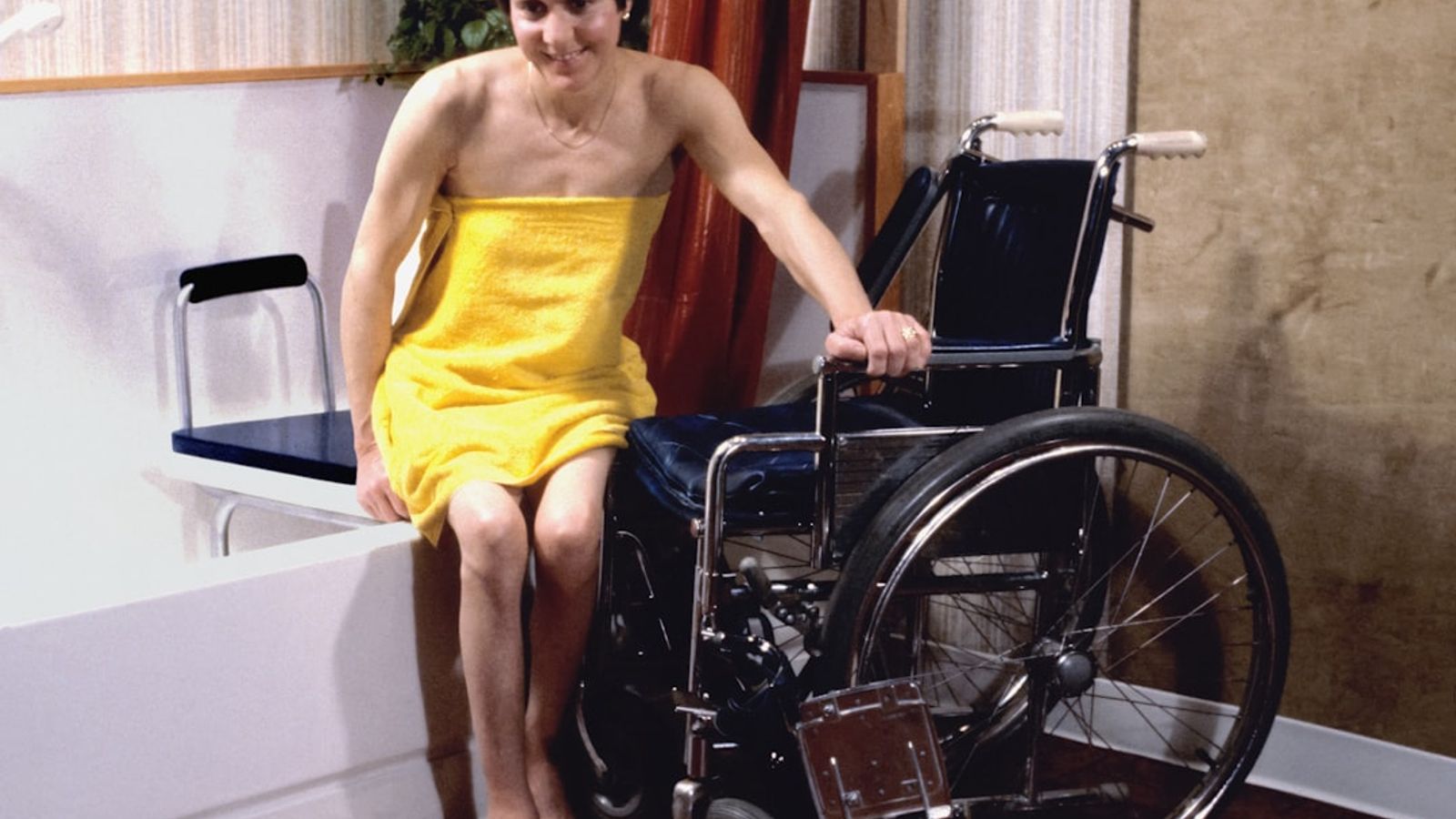
Why a Walk In Tub Can Make Aging at Home Safer
A walk in tub is a bathtub with a low entry threshold, a watertight door, and a built-in seat. It helps people bathe with less climbing, bending, and risk than a traditional tub with a high sidewall.
Quick answer
What it means
Who it helps
Homeowners with balance concerns, joint pain, limited mobility, or plans to age in place
Main safety features
Low step-in entry, slip-resistant flooring, grab bars, seated bathing, and anti-scald controls
Common options
Simple soaking tubs, air-jet and water-jet tubs, and tub-shower combinations
Important tradeoff
The user must enter the tub before it fills and remain seated while it drains
Bathrooms are one of the highest-risk places for falls at home. A walk-in tub can reduce the need to step over a standard tub wall while supporting more independent bathing. It can also add comfort features, such as handheld showerheads, heated surfaces, and massage jets.
The right choice depends on the bather's mobility, bathroom layout, door clearance, plumbing, and whether a shower is still needed for other household members. This guide explains the key options and questions to consider before changing an existing bathroom.
I am Henry Rouhana, a residential general contractor and founder of Sure-Fix Remodeling in Easton, Pennsylvania, with more than two decades of experience guiding homeowners through detailed bathroom renovations. I help clients evaluate how a walk in tub and related accessibility upgrades can fit safely into a long-term remodeling plan.
Types and Features of the Walk In Tub
When exploring options for a walk in tub, homeowners quickly discover that these fixtures come in a broad range of styles designed for varying therapeutic and lifestyle needs. Standard deep soakers offer pure, calming water immersion, while feature-rich therapeutic tubs combine hydrotherapy jets, air streams, and microbubble micro-massage to relieve joint stiffness and muscle soreness.
Soaker walk-in tubs provide deep-water immersion with simple mechanical operations. Without electrical pumps or air lines, soakers are reliable, quiet, and straightforward to clean.
Hydrotherapy tubs use powered water pumps and strategically placed wall jets to target high-tension areas such as the lower back, hips, knees, and calves. Air massage tubs push gentle warm air bubbles through tiny floor-mounted jets, producing a soft, soothing effervescence that calms sensitive skin and stimulates overall circulation.
Dual-system walk-in tubs integrate both hydrotherapy water jets and gentle air massage streams, allowing bathers to run either system independently or simultaneously. Microbubble therapy introduces microscopic, oxygen-dense bubbles into the water. These microbubbles enter skin pores to clean deep without harsh rubbing while helping maintain water temperature longer during a soak.
To eliminate long waiting times at the end of a bath, advanced fast-drain technology is built into many modern models. Utilizing dual gravity drains or internal secondary pumps, fast-drain systems clear water in a fraction of the time required by standard household plumbing, keeping bathers comfortable and preventing chill.
Selecting the Right Walk In Tub Model
Matching a tub model to individual health requirements involves balancing therapy options, maintenance technologies, and physical dimensions. For bathers suffering from severe foot or calf arthritis, independent foot massage systems allow the lower basin to fill up to seat height rapidly. This means you can enjoy a targeted hydrotherapy foot soak without filling the entire bathtub shell.
Keeping therapeutic water lines clean is essential for long-term health and safety. Modern jetted tubs incorporate self-sanitizing ozone sterilization systems that destroy bacteria, algae, and organic residues without relying on harsh chemicals. Additionally, auto-purge air systems automatically blow dry air through jet nozzles twenty minutes after a bath to remove trapped moisture and prevent mold buildup within internal air channels.
In-line water heaters are another vital comfort component. Because large volume walk-in tubs take a few minutes to fill, an integrated heating element keeps recirculating bathwater at a constant, soothing temperature throughout the soak.
When reviewing premium market models, options like the Ultra Inward Swing Door Walk-In Tub 30x52 | Ella's Bubbles demonstrate how luxury finishes, polished alloy doors, and advanced dual-drain engineering blend seamlessly. For homeowners prioritizing essential safety, durable gelcoat surfaces, and streamlined soaking functionality, models such as the Gelcoat Value Series 30 x 52 -Inch Walk-in Tub With Soaker System - Ri provide simple, highly dependable solutions.
Walk In Tub and Shower Combination Options
For multi-generational households or homes where family members prefer different bathing styles, a walk-in tub and shower combination offers exceptional versatility. These dual-purpose setups let bathers sit securely inside the watertight tub for a relaxing soak or utilize elevated fixtures for a traditional standing shower.
Key components of a combo system include:
- Gooseneck Shower Arms: Elevated overhead showerheads mounted high enough to provide comfortable standing clearance for tall bathers.
- Multifunction Pull-Out Handshowers: Flexible handheld wands on extendable hoses that allow seated bathers to wash hair, rinse off, and maneuver effortlessly without standing up.
- Glass Bath Screens & Curtains: Hinged glass bath screens or targeted shower curtains that confine water spray inside the tub surround, keeping floor surfaces dry.
Upgrading to a tub-shower combo unit provides optimal flexibility during a comprehensive Bathroom Conversion. Choosing a well-engineered Bathtub with Door Walk In Tub ensures every member of your household enjoys maximum comfort without compromising safety.
Key Safety Features, Sizing, and Door Configurations
Safety is the fundamental reason homeowners invest in a walk in tub. Traditional bathtubs feature high sidewalls that require bathers to balance on one foot while lifting the other over a high barrier—a leading cause of bathroom accidents. Walk-in tubs reduce this step-over height down to a minimal threshold, usually between 3 and 7 inches.
ADA-compliant design standards guide the internal layout of top-tier walk-in tubs. Key safety components include:
- Contoured Chair-Height Seating: Integrated 17-inch high seats make sitting down and standing back up smooth and effortless, eliminating the physical strain of lowering down to floor level.
- Slip-Resistant Flooring: Textured patterns molded directly into the tub basin floor prevent feet from sliding on soapy surfaces.
- Integrated Safety Grab Bars: Corrosion-resistant steel grab bars strategically anchored inside the tub shell and along the frame provide secure leverage while moving into or out of the seat.
- Heated Backrests & Seats: Radiant warming panels embedded in the backrest keep bathers cozy and warm while the tub fills with water or empties out.
Incorporating these elements reflects the core principles of a complete Barrier Free Bathroom Design, creating an environment that adapts gracefully to changing physical needs over time. Larger spaces may even accommodate specialized designs like a 2 Person Walk In Bathtub for couples who require shared accessibility support.
Door Types and Sizing Considerations
Selecting the proper door configuration and overall footprint depends on both user mobility and available bathroom space. Tub doors are engineered to swing inward or outward, each presenting unique installation advantages.
Inward-swinging doors are ideal for tight bathrooms because the door moves into the interior footwell without colliding with external vanities or toilets. As water fills the tub, the pressure pushes against the rubber gasket, helping maintain a watertight seal. However, the bather must swing their legs around the door inside the tub to shut it.
Outward-swinging doors swing outward into the bathroom. This creates an open entryway that allows easy transfers from a wheelchair, walker, or bench seat directly onto the built-in bath bench. Because the door opens outward, external clear floor space must remain free of obstructions.
Standard compact dimensions feature a 30x52-inch footprint, perfectly sized for smaller bath spaces while retaining a deep soaking basin. Larger standard models measure 30x60 inches, expanding legroom and fitting neatly into traditional 60-inch bath alcoves. Premium choices like the Ultimate - WalkIn Tubs of America™ highlight spacious interior seating and heavy-duty stainless steel frames. For standard residential updates, budget-conscious configurations such as the TubToday 30x52 IS Economy - Walk In Tub USA deliver essential safety and entry access within standard room dimensions.
Walk-In Tub Costs, Financial Options, and Warranties
Understanding the cost structure of a walk in tub involves looking at both fixture specifications and installation scope. Walk-in tub options range from basic deep-soaking units to luxury therapeutic models packed with hydrotherapy jets, chromotherapy, and microbubble technologies.
Walk-In Tub Type
Key Features Included
Best Suited For
Standard Soaker
Low step-in, grab bars, slip-resistant floor, contoured seat
Pure soaking, simple safety upgrades
Air Massage System
Warm air jets, gentle effervescence, self-purging lines
Sensitive skin, circulation support, relaxation
Hydrotherapy System
High-pressure water jets, in-line heater, targeted massage
Deep muscle tension, arthritis, joint stiffness
Dual System / Combo
Combined air/water jets, shower wand, fast-drain pump
Comprehensive therapy, multi-user flexibility
Overall costs depend heavily on structural framing work, electrical modifications, and plumbing plumbing updates. Adding a hydrotherapy unit, for example, requires installing a dedicated electrical circuit with Ground Fault Circuit Interrupter (GFCI) protection to safely power high-demand water pumps and in-line heaters.
Plumbing capacity is another major cost consideration. High-volume walk-in tubs require significant water capacity, often demanding a water heater upgrade to a tank size capable of delivering hot water consistently.
When purchasing a tub, review warranty terms carefully:
Lifetime Door Seal Warranties: Protects against leaks from gasket degradation over time.
Tub Shell & Frame Coverage: Usually covers structural acrylic or fiberglass shells for ten years to a lifetime.
Pump & Mechanical Component Warranties: Typically covers motors, blowers, fast-drain pumps, and faucet trim for five to ten years.
To manage expenses smoothly during a total bathroom update, explore flexible Bathroom Remodel Financing Options that fit your long-term home improvement goals.
Medicare, VA Grants, and Insurance Coverage Options
Navigating financial assistance and insurance coverage for accessibility products requires knowing specific eligibility guidelines:
- Traditional Medicare Exclusions: Original Medicare (Parts A and B) classifies walk-in tubs as home convenience modifications rather than Durable Medical Equipment (DME). Consequently, Medicare rarely pays for walk-in tub hardware or installation.
- Medicaid HCBS Waivers: In many regions across Pennsylvania and New Jersey, Home and Community-Based Services (HCBS) Medicaid waivers assist qualifying seniors with home accessibility upgrades that support independent living.
- VA Grants for Veterans: The U.S. Department of Veterans Affairs offers financial assistance programs such as the HISA (Home Improvements and Structural Alterations) grant. Veterans with service-connected or medically necessary conditions can utilize HISA funding to install low-threshold bath fixtures, though basic soaking models are typically favored over jetted spa tubs.
- Prescriptions & Medical Necessity: Obtaining a written prescription and letter of medical necessity from a primary physician documenting balance deficits, severe mobility challenges, or chronic pain is essential when submitting waiver applications or claiming state tax deductions.
For local homeowners seeking guidance on regional accessibility assistance and code requirements, reviewing Bathroom Accessibility Modifications Pennsylvania provides valuable context for home safety improvements.
Top Walk-In Tub Brands and Premium Models
Choosing a reputable manufacturer ensures long-term reliability, prompt customer support, and ready access to replacement parts. Major brands lead the industry across distinct categories:
- Ella’s Bubbles: Renowned for engineering diversity, offering inward-swing, outward-swing, dual-seat, and specialized bariatric walk-in tubs featuring patented gravity dual-drain technology.
- American Standard: A household name offering robust acrylic and gelcoat models with quick-draining options, deep soaking basins, and simple, classic controls.
- Kohler: Focuses on premium luxury finishes, featuring ultra-low 3-inch step-in thresholds, heated backrest panels, elegant wall surrounds, and full-service dealership support.
- Safe Step: Widely recognized for robust safety features, built-in grab bars, personal hygiene wands, and comprehensive lifetime product warranties.
- Aquatica: Sets the standard for luxury freestanding solid surface walk-in tubs, combining architectural beauty with Japanese-style deep soaking functionality.
High-end models like the Baby Boomer 2 Freestanding Soaking Walk-In White Bathtub | Aquatica USA – Aquatica Baths USA - Premium Bathtubs demonstrate how solid-surface composites create a warm, matte-finish spa aesthetic without looking clinical.
Homeowners interested in comprehensive local installation options in eastern Pennsylvania and western New Jersey can review service coverage details like Get Senior Tub Installation in Phillipsburg, NJ. For broad outdoor living and relaxation solutions, regional specialty resources such as Rin Robyn Pools® | Hot Tubs, Swim Spas & Pools - Since 1958 illustrate the wider appeal of home hydrotherapy.
Professional Installation and Bathroom Requirements
Installing a walk in tub is a complex renovation project that requires licensed plumbing, electrical, and structural framing expertise. Attempting a DIY installation can void manufacturer warranties, jeopardize home insurance coverage, and lead to water damage.
Most standard home bathrooms feature a 60-inch bath alcove. Because many walk-in tubs measure 52 inches in length, installers use custom extender panels to bridge the 8-inch gap. This extension kit creates a smooth finish while preserving accessible storage ledges inside the bath surround.
Key technical installation considerations:
- Water Tank Capacity: Walk-in tubs hold considerably more water than traditional bathtubs. Homes with standard water heaters may need to upgrade to a larger tank or install a high-efficiency tankless hot water system to ensure consistent warm water.
- Dedicated Electrical Circuits: Jetted tubs require dedicated electrical lines wired directly to the main breaker panel with GFCI protection to ensure safe operation.
- Door Frame Clearance: Installers must measure all interior doorways, hallways, and stairwells leading to the bathroom before delivery to ensure the tub shell can pass through cleanly.
Homeowners evaluating whether a walk-in tub or a curbless shower best matches their lifestyle can compare designs like a Barrier Free Shower, explore options for a Bathroom Remodel Tub to Walk In Shower, or plan a full Barrier Free Remodel tailored to their home.
Frequently Asked Questions About Walk-In Tubs
Can a walk-in tub fit into an existing bathtub space?
Yes, standard walk-in tubs are engineered to fit directly into standard 60-inch alcove cutouts. When installing a smaller 52-inch tub into a 60-inch opening, installers utilize color-matched extension filler kits to bridge the remaining gap cleanly. It is essential to measure bathroom doorways and hall turns in advance to confirm the tub unit can be brought into the room without removing door frames.
How long does it take to fill and drain a walk-in tub?
Filling times depend on household water pressure and supply line diameter. Standard high-flow fast-fill faucets (delivering 11 to 18 gallons per minute) can fill a tub in 5 to 10 minutes. Draining typically takes between 2 and 10 minutes. Models equipped with powered fast-drain pumps or dual 2-inch gravity drains clear water much faster, minimizing the time bathers spend waiting inside the tub.
Does Medicare or the VA cover the cost of a walk-in tub?
Traditional Medicare does not cover walk-in bathtubs because they are classified as home modifications rather than medical equipment. However, Medicaid HCBS waivers in Pennsylvania and New Jersey may provide financial aid for eligible seniors requiring home accessibility upgrades. The U.S. Department of Veterans Affairs offers HISA grants that help eligible veterans offset installation expenses when prescribed by a doctor for safety and independence.
Conclusion
Upgrading your bathroom with a walk in tub offers long-term safety, daily peace of mind, and therapeutic relief right at home. Replacing a steep bathtub wall with a low step-in threshold reduces fall risks while allowing you to enjoy deep soaking comfort safely and independently.
At Sure-Fix Remodeling, we specialize in high-quality accessibility transformations throughout eastern Pennsylvania and western New Jersey. Our team manages every detail—from plumbing and electrical updates to wall surrounds and custom tile—ensuring your new bathroom combines reliable safety with elegant design.
Explore complementary accessibility upgrades such as Aging in Place Exterior Upgrades or contact local professionals through Bathroom Remodel Services Near Me.
Ready to transform your bathroom into a safe, comfortable oasis? Visit our team at Sure-Fix Remodeling Services today to schedule your personalized design consultation!